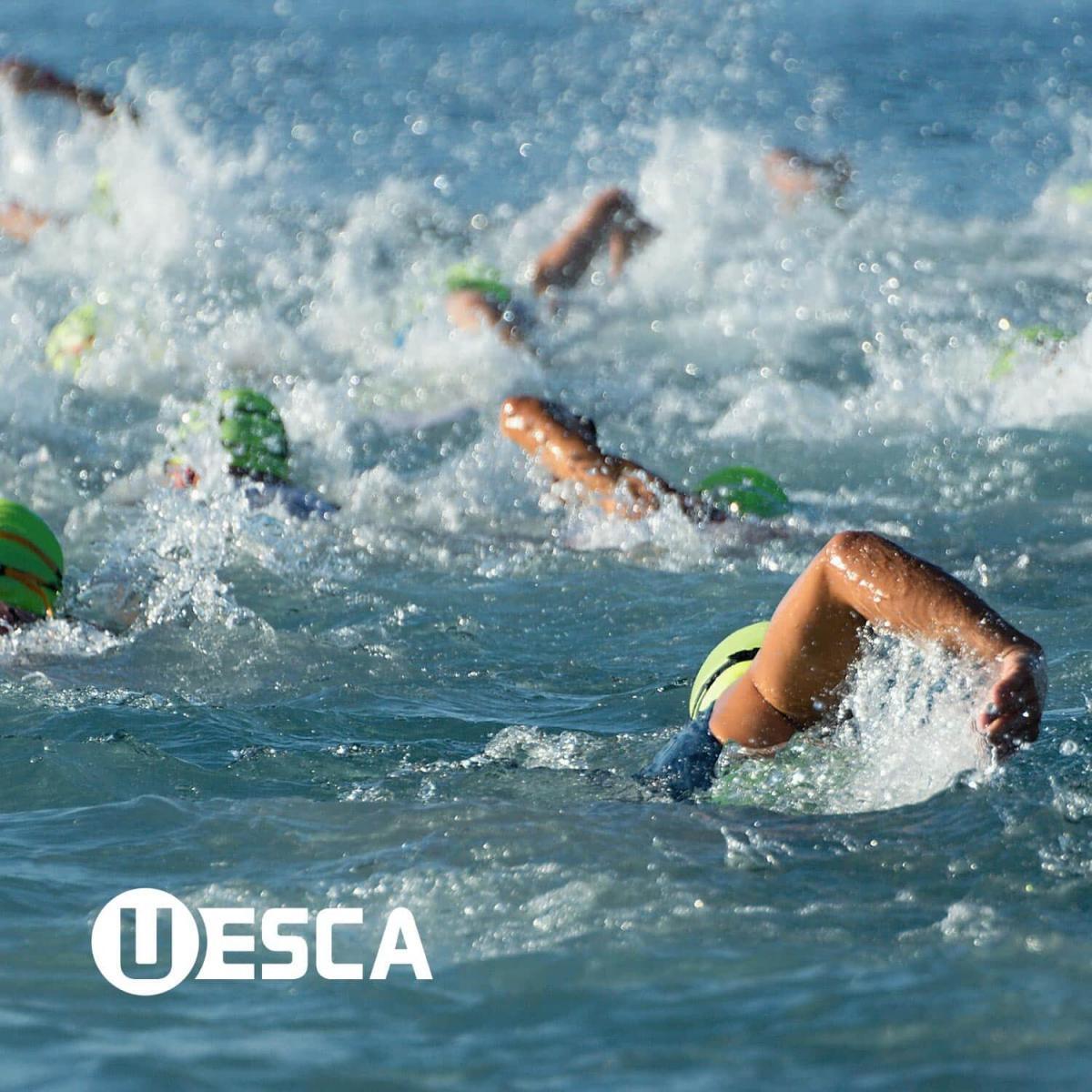
UESCA-certified running coaches share the advice they give their athletes on how to have a smooth destination race experience.

Any race we train for requires a level of strategic planning to get us across the finish line — from choosing the right training plan and figuring out your race-day nutrition to determining what time to arrive at the start line on race day.
Training for a destination race involves many more factors, such as preparing for the destination’s climate and planning your travel arrangements so that you can arrive early enough to get over jet lag before the race.
Below, United Endurance Sports Coaching Academy (UESCA) running coaches share advice they give athletes who want to train for a destination race.
Make hotel and restaurant reservations and pack your race gear in a carry-on bag.
As soon as you plunk down your registration fee for your race, book that hotel! If it’s a well-known race, hotel rates will skyrocket as the race date gets nearer. Most times, you don’t need to pay upfront, so just book ahead and save money.
Another thing to consider as race day nears is planning where you will eat the night before your race in your run-cation city. If it’s a small enough city, the one or two Italian places might be packed with other runners. Make reservations so you’re not settling for something that doesn’t work for you.
Finally, as you’re traveling to your race city, be sure to bring all your race essentials in your carry-on. Should your luggage get lost, at least your race gear is all with you! You can buy street clothes anywhere — not necessarily your favorite race shoes and shorts.
John Bermudez, UESCA Running Coach, Revo2lution Running, NASM (CPT, FNE, CES)
10+ years coaching experience
Endurance Fitness Performance
@endurance.fitness.performance
Factor in jet lag and the destination’s environmental conditions.
Three big things come to mind: weather, jet lag, nutrition! I advise my clients to look up the average weather for the destination so that they can dress appropriately and ensure they’re arriving for the race with some time to acclimate. This is particularly important if the location is at a much higher altitude. Knowing what clothes to pack for race day is crucial, and I suggest trying to train in similar conditions when possible.
If traveling to another time zone, try to arrive at least three or four days early to give your body time to adjust and catch up on any missed sleep.
I’ve run a few half marathons in Australian winter, coming from Canadian summer, so I tried to train at times of the day that had a similar temperature to race morning. We arrived a week early to get over jet lag, and race day was a breeze.
Researching nutrition options is always a good idea if the race is in another country, especially if you have allergies. Don’t assume things will be or taste the same as where you’re from! If you want to bring your race day fuel with you, check airline restrictions and import laws for the country you are traveling to. Online running groups can be helpful for suggestions.
Kylie Morgan, UESCA Running Coach, Clinical Exercise Physiologist
10+ years coaching experience
Morgan Exercise Physiology
@morganexercisephysiology
Train for the race course and get to your destination with enough time to establish a routine.
Running a destination race can be a lot of fun, but it does require a bit of extra preparation. For all races that we train our athletes for, we examine the course profile to align our training strategy. For example, we often have athletes who want to run downhill marathons. For those, we focus heavily on downhill running form and shoe selection.
When it comes to getting to the start line of a destination race, we prioritize arriving as early as possible to the city. I want to be sure the athlete can adjust to any time zone changes. We also spend some extra time discussing nutrition and making a plan so that they can continue to make healthy choices like they have been during their training.
When it comes to sleep, staying away from home can be tricky. The first night in a new location is often the toughest, so we try to plan for that not to be the night before a race. We also know the night before a race will come with a busy head, making it difficult to get quality rest.
Setting up a daily plan from the day of arrival until the start line is an important part of getting to the finish line feeling strong.
James Levins, UESCA Running Coach, UESCA Endurance Sports Nutrition Coach
4-6 years coaching experience
True Zone Coaching
Plan your travel to avoid race-day tightness and ensure post-race recovery.
Based on my experience, I recommend selecting a race location with a nearby airport for convenience. When traveling to a destination by land, either via car or bus, you must take into account how long the journey will take. If it’s a lengthy journey, try to implement layovers or divide the trip into smaller segments.
When you can manage it, plan to travel to your destination several days before your event. The combination of prolonged sitting before a race with driving stress and restricted movement space has consistently caused me to suffer from hip flexor cramps during the race. It’s also important to plan for an arrival time that allows you to adjust to the new environment, particularly when the race occurs at a different altitude or climate.
Finally, you need to schedule a comfortable return journey following the race which includes sufficient time for physical recovery. Post-race recovery holds equal importance to your preparation, and it will greatly impact your overall race experience.
Juan Pablo Arias, UESCA Running Coach, UESCA Ultra Running Coach, From ISSA Running Coach, Spartan SGX L2 and ChiRunning Senior Instructor
7-9 years coaching experience
@coachjuanpa29 | Find Coach Juan on LinkedIn
This article was originally produced and published by Running Lifestyle Media.