How would you define your relationship with endurance sports? Maybe you can relate to the author’s shifting perspective as a competitive athlete who no longer has time nor desire to put in the work, and needs to come to terms with that.
My previous blog post was about having raced a bike (a gravel race) for the first time in over 10 years and how I enjoyed the difference between it and road racing. While I did enjoy it, there were a few other things that came from this experience of training for the three gravel races that I participated in this summer.
Before I get into the ‘meat’ of the blog post, a little bit of backstory for reference. When I was a teenager many moons ago, I raced bikes most every weekend from March – October and was quite serious about it. Fast forward to college, I realized that I missed out on the team/scholastic aspect of sports in middle and high school, so I ran collegiate track and cross country. The constant of these sports is that you have to train quite a bit and that training is hard. Also, when I toed the line for a race, I wasn’t doing it for fun (even though it was… most of the time) or to just participate… I was doing it to race!
Old Habits Die Hard
Post-college, I continued to race bikes and participate in running events. While slower, I still trained and raced with a fairly high intensity. While there is clearly nothing wrong with doing that, in my delusional mind, I was still that high school/collegiate athlete. I remember vividly one of my cycling coaches telling me that unless you have a shot at winning, don’t even bother showing up at a race. Right or wrong, that narrative stayed with me all those years and shaped how I viewed myself and what was required from a training perspective.
What’s a ‘Fun’ Ride (or Run)?
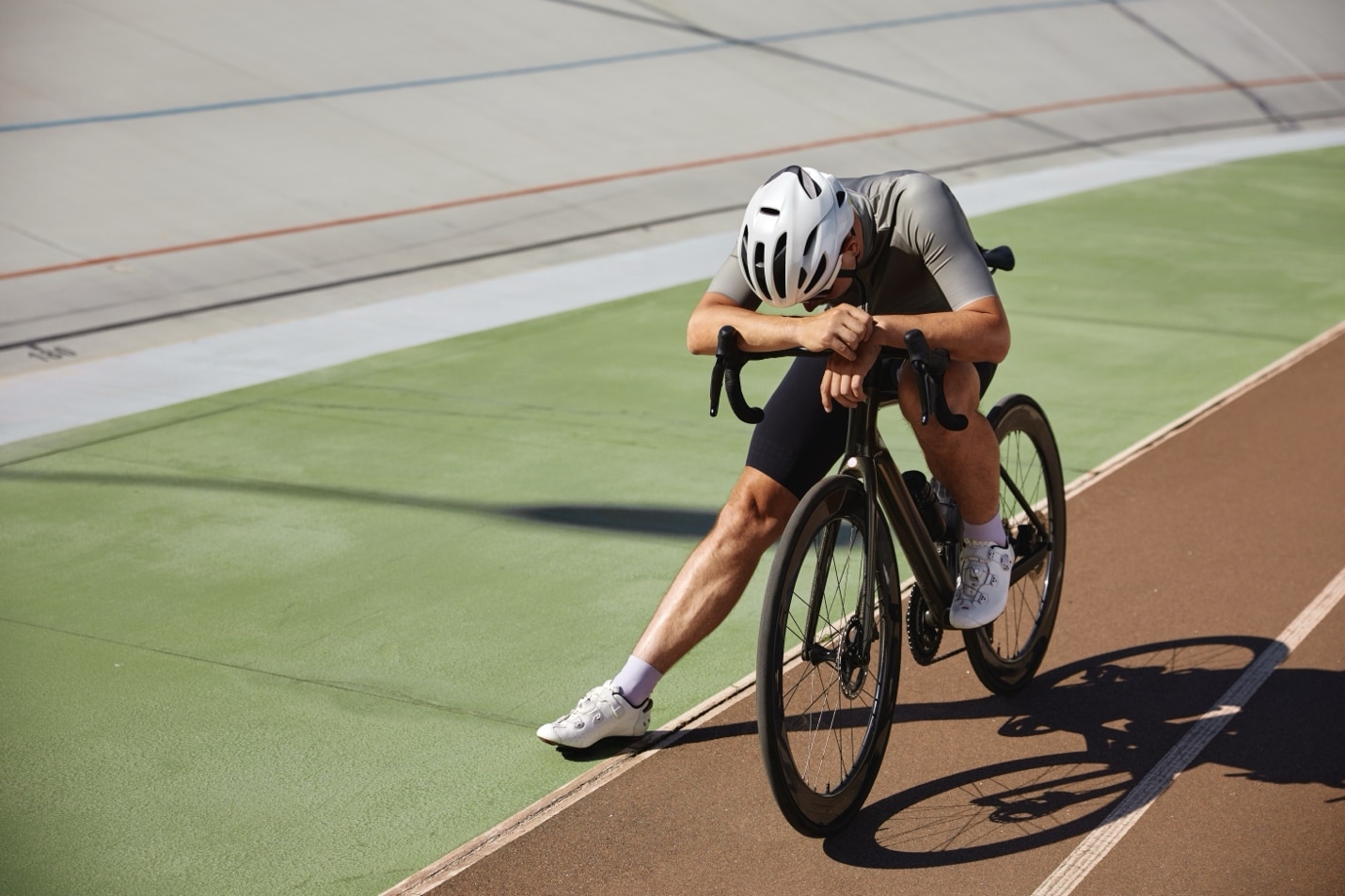
I’d like to think I’m a pretty relaxed person and don’t take life too seriously. However, when I get on a bike or lace up a pair of running shoes, something in me changes. I can’t just go for a bike ride of run for fun. It’s ‘training,’ not ‘going for a bike ride or run.’
Certainly, all of the data that comes streaming into my bike computer or watch doesn’t help either. And while I could still unplug from this data, having done these two sports for so long, I innately default back to my perceived pace/effort and focus on that.
My Identity
I grew up bike racing in an area where this wasn’t really a thing. I mean, what high school kid thinks wearing spandex and shaving your legs is cool or normal?! However, as one of the few people to race bikes where I grew up, for better or worse, I became known as the ‘cyclist.’ This identity largely followed me through college and even post-college after I moved to NYC.
I mention this because, internally, I felt like if I ever stopped riding a bike or racing, I’d lose my identity. Keep in mind, I never raced professionally, it was always just a hobby, for lack of a better word. Despite this, I felt like I was a cyclist first and other identities came after that. As such, I can’t just go for a casual ride as that is not who I am. I’m a bike racer dammit!!
More Structure – More Stress
Much to my chagrin, I now have adult responsibilities. I run a company – I’m married – I have a 7-year old son – I have a mortgage – the list goes on. With more obligations comes a shortage of free time and as I’m finding, often more stress. As I work for an endurance sports education company, I appreciate the value of a training program and thus scheduled workouts. However, even with just three races to train for this summer, I found that scheduled workouts stressed me out. I hated having a particular workout hanging over my head. For example, if I knew that I had intervals or a long ride scheduled later in the day or the following day, it would often result in more stress because it was just another thing that I ‘had to do’ and it became something that I dreaded versus something I was looking forward to.
To properly train for a race, structure is important. You cannot haphazardly train when you want to and decide what you’re going to do (training type) during the ride and expect to get great results… Or at least I can’t. This realization, as well as that I don’t really want structure in my ‘training,’ is what led me to my revelation.
Why Am I Doing This?
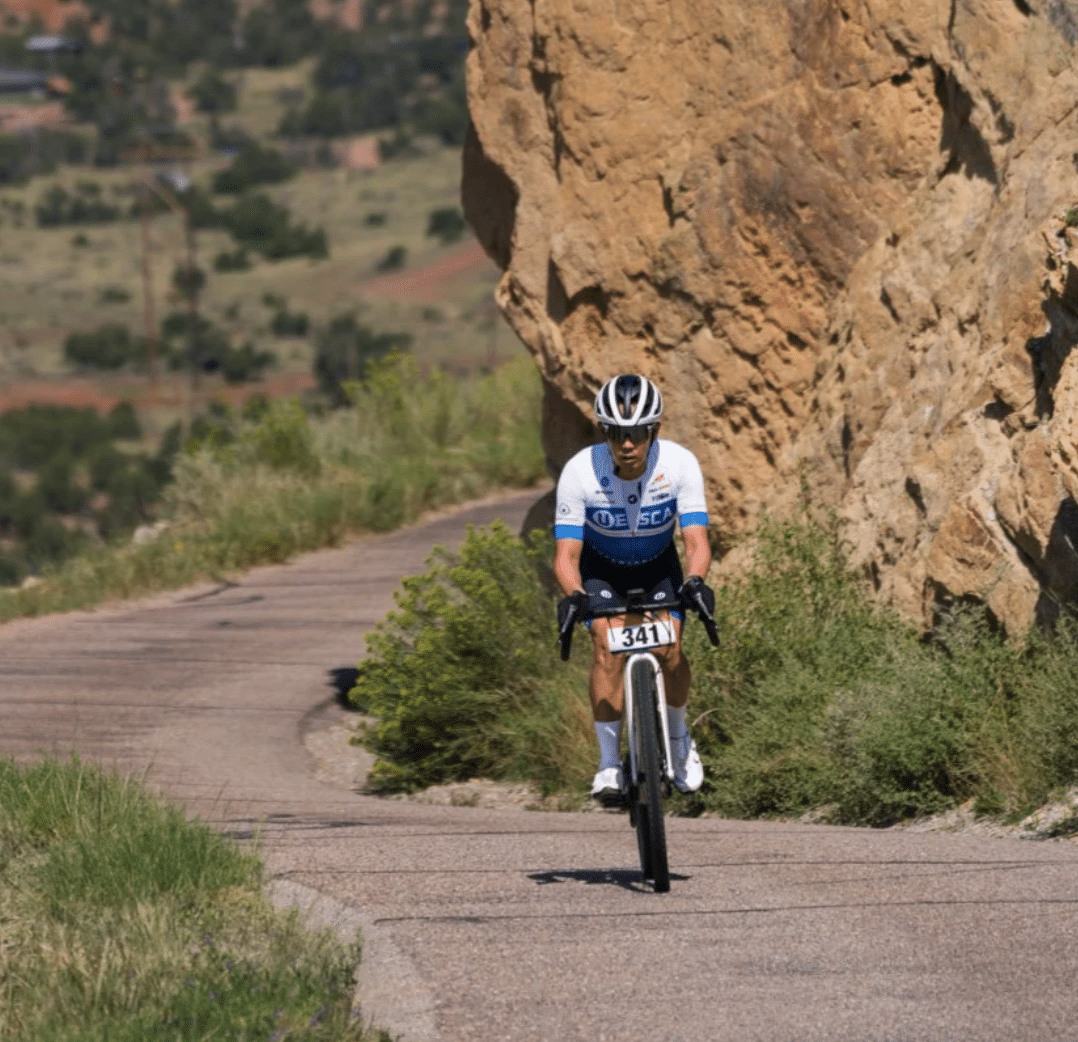
In the first two gravel bike races I did, I did fairly well but not amazingly so. However, in the last one, the wheels came off (figuratively… thank God!). It was a total sufferfest that could only be explained by my lack of fitness. As I was cursing my way through a rocky, uphill singletrack section, it occurred to me that most of my training was actually just ‘riding.’ And while some of that riding was hard and intense, if I was honest with myself, I didn’t train hard enough to be competitive to the point that I would have liked. Then came the revelation…
I knew exactly what I’d need to do to train hard enough to be competitive and I didn’t want to do it.
The Realization

I’m 50, not 20. I still love cycling (and to some degree, running ;). But I have other priorities in my life now. It’s almost like at that point in the race noted above, I gave permission to myself to identify as a person that rides a bike, and not a bike racer. And moreover, that I’m not letting anyone down, including myself; and that I’m not losing my identity because that was a made-up identity by me and my slightly delusional internal narrative.
Summary
First off and before you ask… yes, I’m completely aware that this post makes me come off as a bit of a psycho and that I’d be better off on a therapist’s couch than writing a blog post. However, my hunch is that if I feel this way, there are likely others that feel this way as well. And so my goal in writing this post is to express my perceived ‘identity’ struggle as well as coming to terms with my current relationship with endurance sports.
Now if you’ll excuse me, I’m off to go for a fun bike ride.