
Running and foot health are like two peas in a pod. Or are they? While runners clearly rely heavily on their feet, do they really take steps to ensure optimal foot health? Find out considerations that you should be aware of.
Article by UESCA Certified Coach Judy Rochstroh

The Masterpiece Known as the Human Foot
The human foot may appear to be an unimportant, nonglamorous appendage of the human body. After all, most people keep their feet covered, as if the feet were some odd, funny looking part of the body. Whether the feet are covered because of inclement weather, societal norms, work policy, safety issues, or embarrassment, it’s uncommon in civilized western cultures, to observe people spending time barefooted. Of course, bare feet can be seen at the beach, the lake, or the poolside. Until the invention of water shoes, one would unlikely spot a shoe-wearer around the water. While it’s understandable most people wear shoes because of the reasons stated above, it’s also unfortunate. After all, the human foot is simply amazing! According to Leonardo da Vinci (as reputed to have said) “The human foot is a masterpiece of engineering and a work of art.”
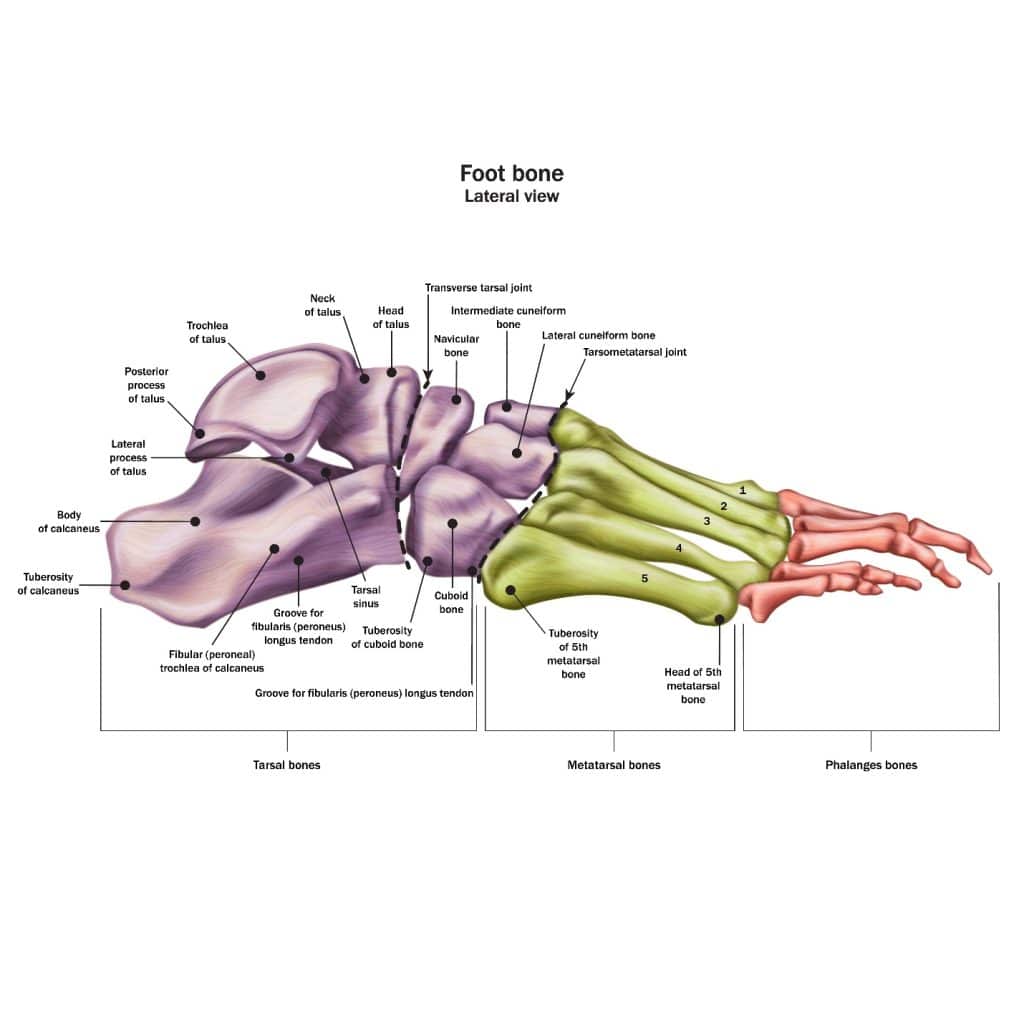
When one pauses to learn about the human feet, it’s easy to see why they’re so amazing! Consisting of 26 bones in each foot, one’s feet contain 25 % of the bones in the entire human body. Additionally, each foot contains 33 joints and more than 100 muscles, tendons, and ligaments. The feet are the foundation for one’s entire body. Yet they’re most often ignored, covered, and achy. One’s feet, that should be treated with tender care, are usually trapped inside stinky shoes that may be ill-fitting. From fashion shoes to athletic shoes, the feet are freed very infrequently!
Who Has Time for Proper Foot Care?
In regards to athletics, runners are often guilty of ignoring proper foot care. This is understandable considering it can be challenging enough for a runner to juggle work responsibilities, family demands, other commitments, and adhere to a sensible training plan. Adding foot care to the routine may be out of the question. Sadly though, the consequences of this neglect is not surprising. As the population of recreational runners has increased, so have the cases of foot issues such as plantar fasciitis, Achilles tendonitis, and stress fractures. This ought not to be the case! Runners should not be facing swollen feet or deformed toes!
Not only have issues like plantar fasciitis become commonplace among runners, but other foot problems have been on the rise. From bunions to hammertoes, runners’ feet can be shocking!
Having established that foot related issues exist for runners, let’s look at these various foot problems, their symptoms, their causes, and find how how to improve the issues. And while we’re at it, we’ll also discuss preventative measures that can be implemented by athletes to help prevent foot problems from occurring.
Plantar Fasciitis
One of the most common foot problems among runners is plantar fasciitis (PF). The word plantar refers to the sole of the human foot. The fascia, composed of a thick band of fibrous connective tissue, runs across the bottom of each foot. It connects a person’s heel bone to the base of their toes. The suffix “itis” means inflammation. Thus, plantar fasciitis is the inflammation of the fascia on the sole of one’s foot. Even though the entire band of connective tissue is inflamed, the focal point of the pain from PF is usually felt on the heel of the foot. A telltale sign of plantar fasciitis is noticeable heel pain during the first few steps upon getting out of bed at the start of the day. Although an athlete may be able to discern the reason for his heel pain, it’s wise to have the issue diagnosed by a health professional.
Causes of PF
Causes of PF in runners are numerous. Many runners are guilty of “over doing it” and not taking time to let their bodies rest. Too many miles of pounding the pavement or perusing the trails may result in overuse, triggering the dreaded plantar fasciitis. In addition to overuse, ill fitting footwear and weakened foot muscles may also trigger PF. Often, the shoes worn by an athlete can actually weaken the foot muscles, increasing the chance of developing plantar fasciitis. Carrying excess body weight is another risk factor for PF. A runner who is even slightly overweight increases the likelihood of dealing with PF at some point in their running journey.
What Can You Do to Self-Treat PF?
If the inflammation is mild, running with reduced mileage may be possible while the inflammation is healing. Most athletes though will find it becomes necessary to take a break from running in order to allow the fascia to heal. For some, a few days off will be sufficient. For others, several weeks or months are required in order for healing to take place. Other effective treatments for plantar fasciitis include icing the affected area, elevating the injured foot, and completing gentle foot exercises and stretches. A physician may also recommend the use of pain relievers to manage the discomfort of PF. As with any issue or injury, getting medical advice is always the best route.
Stress Fractures, Causes, and Symptoms
Stress fractures, particularly in the foot, can be both painful and disheartening for an athlete to face. Although a stress fracture is described as tiny cracks in the surface of the bone, the injury is anything but tiny. Caused by a repetitive motion, such as running, stress fractures can occur from overuse or increasing mileage too rapidly. Nutritional deficiencies can also be a contributory factor. Most often stress fractures occur in the lower leg. However another problem area where stress fractures may show up is the metatarsals. The metatarsals are located in the forefoot. Like the five toes of a human foot, there are five metatarsals on each human foot.
It’s easy to understand how the repetitive nature of running can trigger a stress fracture which can be tricky to detect as the pain of the tiny cracks can be confused with muscle soreness or excessive stiffness. When an athlete experiences persistent pain in the foot, it is best to have it evaluated to rule out a stress fracture. An X-ray may detect a stress fracture, but often an MRI is necessary in order to pinpoint the fracture.
A stress fracture requires a medical diagnosis and treatment. While recovering from this injury, an athlete should not run. However, if provided clearance to do so, cross training workouts that are gentle in nature (swimming, biking, yoga) can be completed while allowing time for the stress fracture to heal. In order to ensure that the stress fracture is completely healed, it may be necessary for the athlete to have another X-ray or MRI. Upon receiving clearance to resume running, a gradual increase in mileage and intensity is recommended. This entire process should be monitored by a medical professional.
Other Foot Issues
In addition to the two common foot injuries discussed thus far, there are some foot issues that both runners and nonrunners often encounter. Some common issues that many people face are corns and calluses. Corns and calluses are areas on the foot where the skin has thickened, sometimes caused by repetitive friction and pressure that can happen during running. While seemingly insignificant, both corns and calluses can also be indicators of poorly fitted shoes. Whether the shoe is not the right shape or is too small, corns and calluses serve as red flags. Though one can continue running successfully with corns and calluses, ignoring these red flags may lead to more serious foot issues as the athlete advances in years. While the treatment for corns and calluses is relatively simple, it’s also important to address the cause. For a quick treatment, an athlete can simply file down the excessive skin build up with an emery board or use a pumice stone to lessen the thickening. Before using an emery board or pumice stone, it’s helpful to soak the foot in warm water.
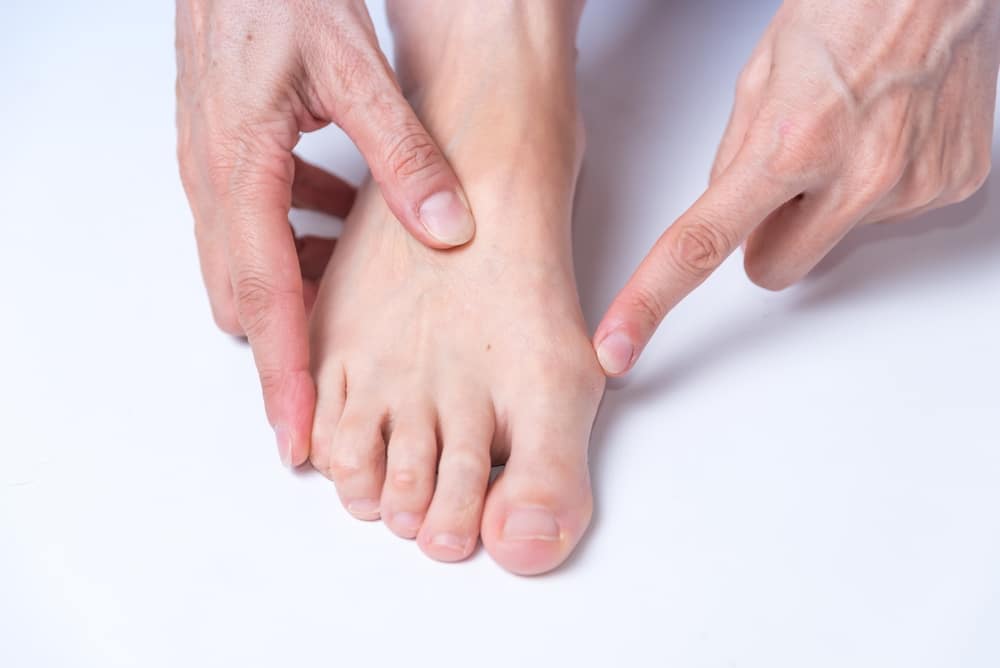
Two other foot issues, both more common in older athletes, are bunions and hammer toes. A bunion appears as a bump at the base of the big toe. While a simple bump may sound harmless (and look harmless initially), the formation of the bump is indicative of a misalignment. Though not the only cause, toe misalignment can often stem from wearing shoes that are too narrow in the toe box rather than foot shaped. Over time, a runner who pounds the pavement or trails while wearing tapered-toe shoes, will eventually have tapered, misaligned toes. At birth, one’s feet are perfectly formed and are widest from the big toe to the pinky toe. Unfortunately, most traditional athletic shoes are not foot shaped. The result may end up in the deformation of those perfectly formed feet.
According to Stephanie L. Tourles, a foot expert who specializes in reflexology, shoes can either undermine or promote healthy feet. “A person can either have shoe-shaped feet or wear foot-shaped shoes” says Tourles. If the root cause is addressed, the deformation will most likely not become worse, but the damage has been done. Wearing toe spacers and running in foot-shaped shoes may help alleviate discomfort associated with bunions and allow the athlete to continue their normal training routine. If the deformity is extreme and the bunion becomes painful, it may be necessary to undergo surgery.
Hammer toe occurs when the ligaments and tendons in the foot are forced into a permanent bent position. This can be caused by ill-fitted shoes that are too small and snug. Hammer toes can also be associated with the formation of a bunion. As with bunions, wearing silicone toe spacers may help straighten hammer toes. Switching from conventional athletic shoes to foot-shaped natural footwear is helpful in some restoration of the athlete’s original foot shape. Foot strengthening exercise may also help alleviate further problems with bunions, hammer toes, and many other foot issues.
How Can You Prevent Foot Issues?
While some foot issues may be inevitable for the runner, especially as they age, making the switch to foot-shaped athletic shoes can help prevent some issues from occurring.
According to Nick St. Louis, a physical therapist from The Foot Collective: A good shoe should be flat, flexible, and foot-shaped. The shoe itself should be able to bend easily and have very little cushion. The area where one’s forefoot rests, called the toe box, should be foot shaped, with no tapering at the end of the shoe. These shoes, often referred to as barefoot style, minimal, or natural footwear, allow the foot to function as it should and encourage strong feet.
This type of footwear allows a runner to feel each step and the connection to the ground underneath the foot. Natural footwear is known for omitting a raised heel which is otherwise known as “zero drop.” The advantage of zero drop shoes is that the runner’s posture remains intact. The energy transferred from the feet travels up the back of the legs through the glutes and hip complex, making the muscles in those parts of the runner’s body strong and efficient. Along with consistent foot strengthening exercises, natural footwear will help strengthen the feet.
If an athlete who has been wearing conventional athletic footwear decides to switch to natural style shoes, it’s imperative to make the switch gradually. Because natural footwear engages muscles differently, and engages more foot specific muscles than conventional shoes, there needs to be ample time to adapt. Transitioning to natural style shoes can take anywhere from 6 weeks to 6 months. Many factors come into play when transitioning, including one’s fitness level, age, and current training load. But once fully transitioned, many runners have benefitted from wearing natural footwear.
Pros and Cons of Barefoot Running
Not only have athletes benefitted from wearing barefoot style shoes, many runners have also benefitted from running completely barefoot! While running barefooted may not appeal to a large population of athlete’s, the positives may outweigh the negative.
Some pros of barefoot running include:
While some athletes may read the pros and immediately want to kick off their shoes and try running barefooted, there are some cons to consider:
Key Take-Aways
Regardless of whether a runner chooses to wear conventional athletic shoes, barefoot style shoes, or no shoes at all, spending time barefoot while not running will help keep the feet healthy. Even as few as 10 minutes a day will allow the toes to spread and the nerve endings to communicate to the rest of the body. While an athlete may still be faced with the issues discussed in this article, the likelihood of facing foot issues will be minimize by wearing properly fitted shoes, allowing plenty of recovery time from intense workouts, and letting the feet be freed from shoes on a regular schedule.
References
Achilles Tendonitis. https:my.clevelandclinic.org
How to Treat Corns and Calluses. https:www.aad.org
Plantar Fasciitis. https:www.mayoclinic.org
Rockstroh, Judy. (2024) Running Happy A-Z: Simple Lessons With Serious Results, pages 12-14
Stress Fractures – Symptoms and Causes. https:www.mayoclinic.org
Tourles, Stephanie L. (2021) Foot Care Handbook: Natural Therapies and Remedies for Healthy, Pain-Free Feet. pages 2-3, 11, 65-67
About the Author
Judy Rockstroh is a certified UESCA Coach. She is on staff at the University of Notre Dame as a certified personal trainer (CPT). Judy is also the director of the organization, St. Joe Happy Running Events. Judy and her team host local fundraising events on the trails at scenic county and state parks in northern Indiana. Additionally, Judy is the author of the book, Running Happy A-Z: Simple Lessons with Serious Results.