While leading group training sessions for athletes of various skill levels may seem daunting, it’s also where your athletes are likely to learn the most. UESCA Coaching Mentor Jim Rowe shares five best practices he’s developed through his experience leading group training programs for triathletes.
Written by Jim Rowe, UESCA-Certified Coach and Mentor
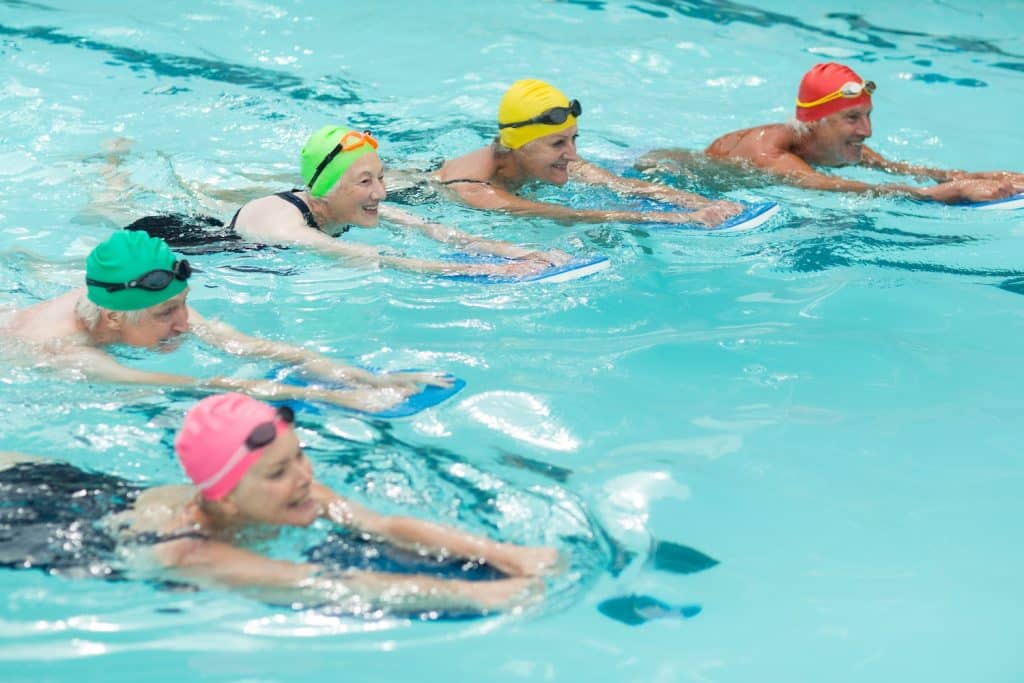
Creating group training programs for athletes of differing abilities can seem challenging, but it certainly doesn’t have to be. In fact, I have found it incredibly rewarding and beneficial for all the athletes who have participated in my programs.
Over the past seven years, I have led group workouts for youth and adult triathletes of varying abilities and have also led multiple group training programs for Texas-based Ironman 70.3 races.
Although triathlon is very much an aerobic sport, developing skills for swim, bike, run and transition are essential for athletes to have a smooth and successful race day. I’ve found that group training sessions are the best time to work on developing those skills.
So, based on my own coaching experiences and what I’ve learned over the years, here are five best practices for coaches who are interested in leading group training sessions.
1. Use group training sessions to support individual training sessions.
For all my group training programs, each athlete receives workouts to do on their own throughout the week, then they meet with me for a weekly bike/run session and a swim session. The group training sessions introduce skills or race-specific training that they will be doing on their own.
For example, open water swim drills such as sighting and drafting are introduced early in the pool, and descending and ascending skills on the bike come right before a specific hill block on the bike.
2. Creatively use stations to keep an eye on all athletes.
This is easier in the pool, where you may only have three lanes for 12-15 athletes. However, I have found creative uses for bike/run sessions with 12 cones and an agility ladder in an empty parking lot or a quiet stretch of road. Using stations allows you, as a coach, to see multiple athletes at the same time and makes it easier to give feedback.
The goal for group training sessions isn’t for the athletes to necessarily improve their aerobic capacity. The goal is to improve sport-specific skills and enjoy socializing (the adult version of play) with other likeminded people.
3. Variable observational learning is incredibly useful.
Although it may seem challenging to have athletes of different skill levels participating at the same time, it actually creates excellent conditions for observational learning. Having a mix of peers and experts gives athletes an opportunity to learn from seeing errors in performance and gain information from coaches and more advanced athletes on how to best improve their skills. For this reason, I invite all my individual coached athletes—who are often more advanced—to all of my group training sessions.
4. Give autonomy wherever possible.
When working with a group of athletes with varying skill levels, I think back to my childhood days of playing soccer. The coaches would change the rules for practice so that athletes of various skill levels could compete together. In triathlon group training, we can’t create different rules for scoring or have two players guard one, but we can create a training environment where athletes are given the opportunity to decide for themselves how they are going to develop their skills during that session.
For example, I’ve had my athletes work on bike handling by doing a slalom course. As athletes ride through the course, I provide instruction about cornering and single-handed riding, and I give them the choice of doing the slalom course at a faster speed or single-handed.
5. Create healthy competition.
Every four to six weeks, I like to create opportunities for healthy competition in the form of lighthearted relays. I divide the group up so abilities are similar across each team and then give instructions about what the relays are.
Swim relays I’ve done include kick-set relays (age-group triathletes have notoriously weak kicks!) and move-it relays, where each team has to move various pool tools—kickboard, buoy, paddles, snorkel—from one end of the lane to the other. For bike/run sessions, we often do obstacle course mixed duathlon relays. Each team consists of two men and two women, and each person on the team has to do an obstacle course on the bike to work on bike-handling skills, transition to the run and complete a short run before tagging the next person. These relays help develop skills and relationships with fellow athletes.
Final Thoughts
I’ve found that group training programs are welcoming training environments for newer athletes. Further, being intentional about developing the whole athlete through fun and creative training sessions helps create lifelong athletes.
About the Author
Jim Rowe is a full-time triathlon coach at Playtri, where he is the Coach Education Lead. In his role at Playtri, he works with new coaches, adult triathletes, paratriathletes and Team Playtri Elite (a top-10-ranked junior elite team in the U.S.).