When the temps and humidity increase, there are plenty of things we can do as coaches to help our athletes take a flexible approach to their training and prioritize hydration, fueling and rest. Smart summer training leads to stronger and more resilient fall racing.
Written by Alli Felsenthal, UESCA-Certified Coach & Mentor

For many runners, summer can feel like an awkward transition period. Your athletes’ paces slow down and their heart rates climb even while standing still. They may share with you that the workouts that felt comfortable a few months ago suddenly feel exponentially harder.
While this is completely normal, it can be tricky to explain to them that they’re not getting less fit—and in fact, possibly the opposite.
As we know as coaches, training through the summer is less about forcing pace and more about adapting intelligently, using the effort scale and heart-rate-based training. Athletes who embrace the heat and humidity often come into the fall and winter racing season with more red blood cells and more oxygen to work with, translating to better running economy, more fitness and improved race times.
There are many ways to help your athletes navigate summer training. Here are my favorite recommendations for guiding their progress.
Stop Tracking Paces and Run by Effort
Humidity combined with heat increases the stress placed on your athlete’s body while running, giving them less oxygen to work with and risking more dehydration the more humid the air gets. This makes it nearly impossible to cool down while running harder efforts. Therefore, paces need to change in the heat.
Use the effort scale, your athlete’s heart rate and breathing assessments when training through summer humidity and heat. Coach them to keep their easy zone 2 training days chatty and tempos around 80-90% of their max effort or heart rate.
Something is better than nothing, and dodging unsafe conditions will benefit an athlete more than pushing through. Coach your athletes to listen to their body over what their smartwatch says.
All-Day Hydration
Staying hydrated during the summer months can be challenging, especially during these hot and humid days. Coach your athletes on the importance of hydrating consistently throughout the day, not just before and after their workouts. Personally, I fill my 32-ounce water bottle three times a day, adding electrolytes to each refill.
You may want to suggest your athlete get a sweat test to better understand their fluid and sodium losses and how much to drink during runs. This can help avoid both dehydration and hyponatremia (drinking too much water without enough sodium), and also prevent excessive sodium intake.
A 2025 study found that many recreational distance runners lack knowledge needed to hydrate properly, which could negatively impact both performance and safety. The researchers recommend more education on individualized hydration strategy, including fluid timing, sodium loss and replacement, and methods to avoid dehydration and hyponatremia.
There is no one-size-fits-all hydration plan. As a coach, the goal should be to help your athletes personalize their hydration strategy so they feel their best before, during and after every run. The more consistent they are with their hydration habits, the better they’ll feel all summer long.
Don’t forget that hydration doesn’t only come from water. Fruits contain both water and electrolytes, making them a great addition to suggest to your athletes. One of my favorites is watermelon! It’s refreshing, delicious, packed with water and naturally rich in electrolytes.
Adjust Your Athletes’ Schedules
Summertime is full of vacations, work trips and weekend getaways. Consider adding flexibility to an athlete’s busy summer schedule, and remember that movement comes in many forms. A hike in California, for example, is valuable time on your athlete’s feet, making it a great substitute if they’re training for a marathon and an excellent way to simulate the duration of a long run.
If your athlete is traveling, especially to a location with hotter temperatures than where they live, it may be helpful to suggest that they plan their run either early in the morning or later in the evening. You can recommend they hop on a treadmill if conditions are unsafe or cut their workout early.
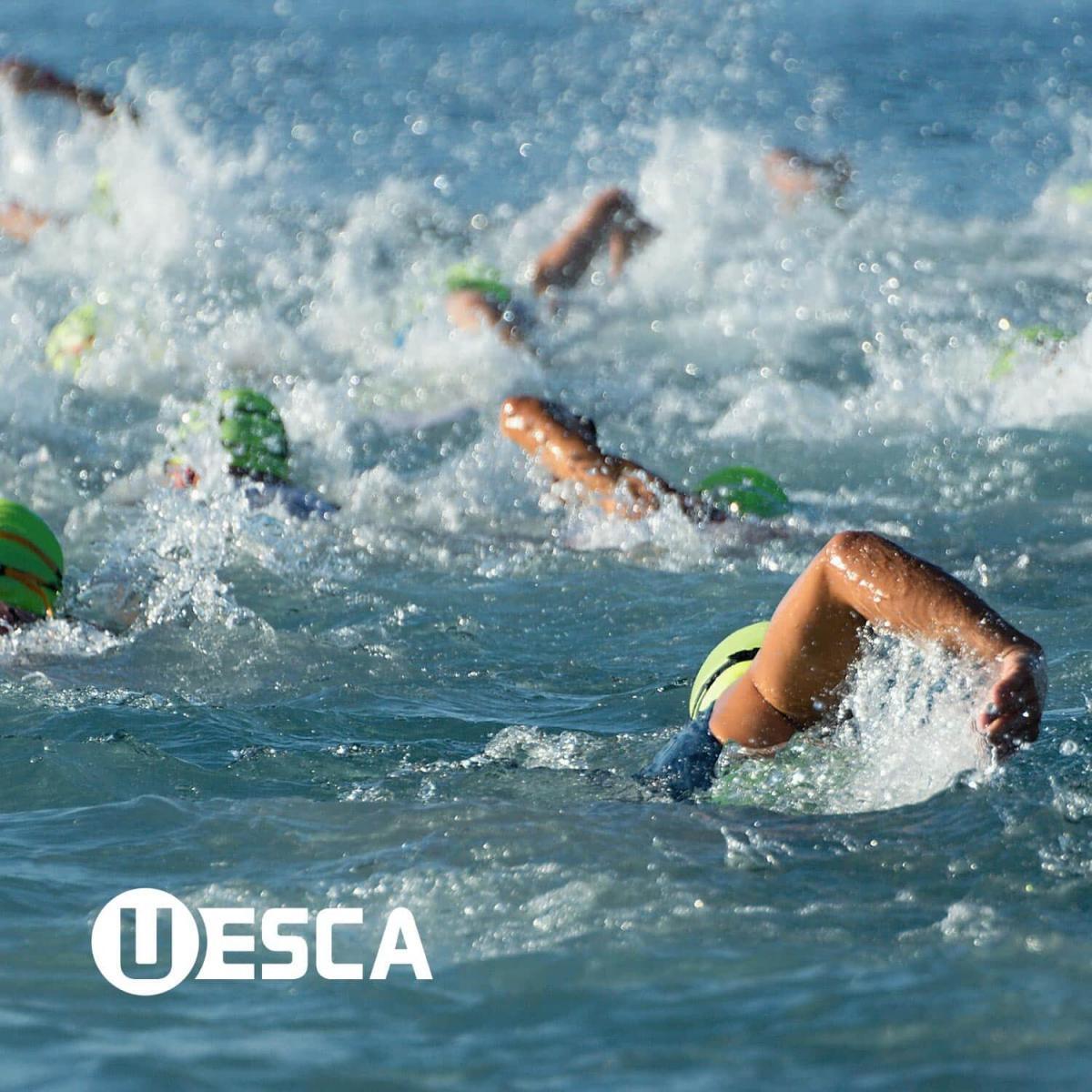
I’m also a huge fan of incorporating cross-training, especially HIIT workouts and swimming, into an athlete’s routine during the summer months. Consider lowering the overall running volume while maintaining the quality and intensity of key workouts throughout the summer months, particularly in hotter and humid climates.
If your athlete feels their running will suffer with this approach, help them understand that becoming a well-rounded athlete ultimately makes them a stronger, more resilient runner. The added variety not only improves fitness and reduces injury risk but also helps prevent burnout, keeping running fun and sustainable for the long haul!
Prioritize Recovery and Set Realistic Expectations
As we’ve discussed, summer training places a significant amount of stress on an athlete’s body. Make sure they’re prioritizing consistent, quality sleep each night. Coach them on fueling appropriately 30-60 minutes before their runs and refueling afterward with a balance of carbohydrates, protein, healthy fats and key micronutrients.
Let your athletes know that if their body is telling them it needs an extra day of recovery, you can work together to adjust their training plan to skip a workout. Recovery is training. Helping them give their body time to adapt is often just as productive as completing another workout.
If your athlete is racing during the summer, coach them to give their best effort but be willing to let go of chasing personal records. Heat and humidity become increasingly impactful as race distances get longer, making PRs much more difficult. Guide your athletes to plan their half marathons and marathons for the cooler months of fall, winter or early spring when conditions are more favorable.
Instead, use the summer to focus on training for shorter races, such as the 5K, building their speed and developing strength. These shorter race cycles typically require less overall mileage, giving more flexibility to cross-train, spend time in the gym or on the treadmill, and build a stronger and more resilient foundation before the fall.
The Summer Builds Warriors
Summer training builds grit and mental toughness. It makes athletes more resilient and confident—if they can train safely through the heat, they can tackle just about anything when fall (and winter) arrives.
Coach your athletes on how to adjust when needed, fuel and hydrate well, prioritize recovery and stay consistent. Help them embrace the challenge, lean into the process and remember that cooler temperatures are ahead.
References
Millard-Stafford, M. L., Brown, M. B., & Wittbrodt, M. T. (2025). Perspectives on enhancing human performance in the heat: Is the solution to simply “just add water”? Sports Medicine and Health Science, 7(5), 317–328. https://doi.org/10.1016/j.smhs.2024.12.001
Zhang, J., Chen, Y., Zhao, X., Li, X., Wen, W., Wu, W., Zou, M., & Qiu, J. (2025). Hydration behaviors, knowledge, and attitudes among Chinese recreational marathon runners: A cross-sectional study. Frontiers in Nutrition, 12, 1621966. https://doi.org/10.3389/fnut.2025.1621966
About the Author
Alli Felsenthal is the founder and head coach of RunWithAlli Coaching, a holistic run and nutrition coaching company that helps runners of all levels. From first-time 5K finishers to Boston Marathon qualifiers and marathon PR seekers alike, Alli believes that training smarter, staying healthy and enjoying the process while keeping things challenging and doable is a foundation for success. A six-time Abbott World Marathon Majors finisher with a marathon personal best of 2:57, Alli combines evidence-based training, strength, nutrition, cross-training, injury prevention and mindset coaching to help athletes achieve sustainable, lifelong success. She is also a UESCA-certified coach and mentor, V.02-certified coach, a League of Garmin Captain, the Lead Ambassador Coach for Rock ‘n’ Roll San Diego, and is currently pursuing her master’s degree in Nutrition.
Learn more about RunWithAlli Coaching, training resources and upcoming community events here: runafastermarathon.com