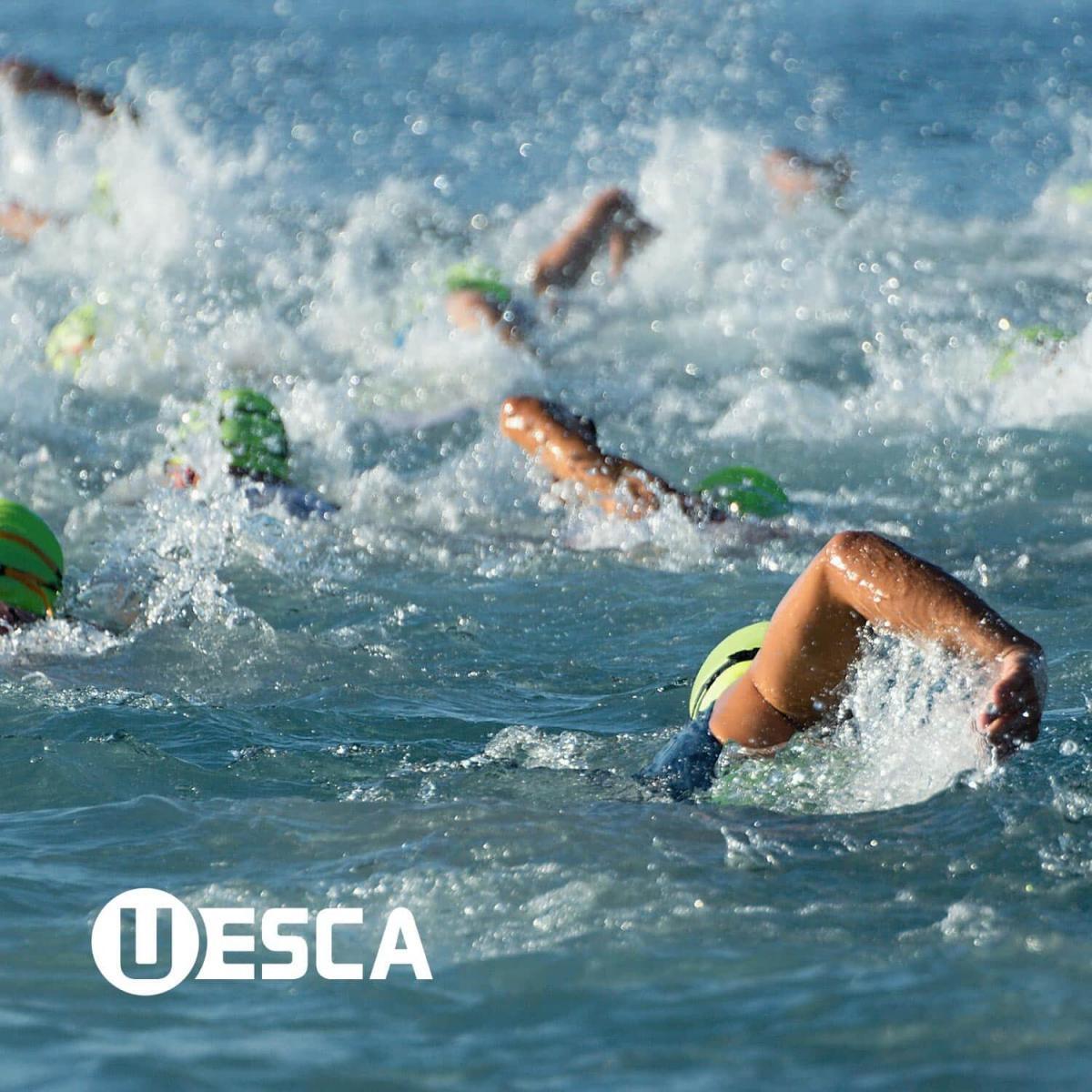
Fitting every athlete into the same training system does a disservice to the athlete’s needs, goals and performance potential. By taking four areas into consideration, we can customize each training plan to the individual athlete.
Written by Matt Hanson, Certified Triathlon Coach

There are numerous ways a triathlon coach can put together a training plan for the athletes they work with. Coaches tend to have a specific philosophy they like to follow: the 80/20 method, the Norwegian Method, low volume/high intensity, high volume/low intensity, etc.
We have all found success with a plan, and we may gravitate toward using that method with every athlete we coach. However, when we do that, we miss the boat on customizing the training plan for the athlete.
I believe we should put the athlete’s characteristics at the center of the plan and build the training around that, rather than putting your desired system of training at the center and trying to fit the athlete within that system.
Athletes come to a coach with unique goals in mind. They have different exercise backgrounds and differing strengths and areas of improvement. They also take joy and get fulfillment from different things. Some athletes are fulfilled simply by completing the journey, while others need to hit a time goal or performance objective to feel that sense of accomplishment.
Trying to put such a diverse set of athletes into the same training approach does the athletes a disservice, in my opinion. The following are a few areas I believe we need to consider when working with each individual athlete.
Time Available to Train
I’ve always believed that it is not my job to dictate the time the athlete must set aside each day to train, but to build a plan around the time they tell me they have available for their hobby (at least for age group triathletes). Most amateurs have family, work and social obligations that they need to fulfill outside of training. I’ve failed them as a coach if I encourage them to prioritize training above their family or their job.
Of course, we need to have an honest conversation with the athlete about how the time they commit aligns with their goals. If they want to go sub-nine hours in an Ironman triathlon on six hours of training per week, well, we need to have a direct discussion about how those expectations might not line up. However, if they are trying to get to the finish line on an hour of training each day, Monday through Friday, with longer sessions on the weekend, I need to set their training plan around that time commitment.
To coach athletes across a range of training availability, I need to have the knowledge and confidence to customize each of their training plans accordingly. An athlete with 10 hours per week to train and an athlete with 20 hours can’t be put in the same system of training. For example, if I prefer to coach with a high-volume/lower-intensity approach, the athlete with 10 hours available to train is likely going to be significantly undertrained. If I like the higher intensity approach, I risk overtraining the athlete who wants to train 20 hours per week.
What Does the Athlete Enjoy?
Each athlete enjoys different aspects of training and racing. Some absolutely love high-intensity sessions. Other athletes really struggle to do anything above zone 3, as it drains their mental battery. We have to adapt the training to not only tick what we think the athlete needs from a physiological perspective, but also from a psychological perspective.
Every athlete has an emotional battery. We need to make sure we are not forcing them to drain that emotional battery, leading to the mental resilience of a wet noodle come race day. This may mean that we do less of a certain type of work that we would typically have athletes do as they prepare for a race.
For example, in an ideal build, we would spend time in every zone. However, some athletes aren’t comfortable doing VO2 work or spending any real time in the upper zones. That type of training can often be stressful for an athlete. So, we need to balance the potential physical gains with the emotional toll that a type of training will have on each person individually. We are training the whole athlete, not just the athlete’s physiology.
What Are the Athlete’s Goals?
The athlete’s goals are also going to affect the way that we train them. If the athlete is extremely outcome-focused and wants to see how fast they can possibly go, then we need to approach the planning process differently than for an athlete who is simply trying to get to the finish line of the race.
We also need to consider what motivates the athlete to get out and train and race. Are they motivated by the social component? If so, maybe incorporating group rides and runs as well as some master’s swims into their plan is more appropriate than structuring every session.
Are they an athlete who is stuck indoors for many of their sessions due to weather or time constraints? How can you structure their sessions to help pass the time, even if you’d ideally have them doing an aerobic block? How can you adjust to meet the athlete’s needs?
An Athlete’s Physiology Will Impact Their Adaptation
As coaches, we also need to understand that each athlete has a slightly different physiological makeup. I’ll certainly agree that most exercise adaptations are predictable; however, the extent of the adaptations to a certain stimulus is not the same.
Some athletes are built more like stock car engines, and others are gifted with an engine that more resembles a diesel train. Those athletes are going to adapt differently.
If you have an athlete who is already extremely efficient at burning fat and can’t get their lactate above 3.0 mmol/L, then doing a fat adaptation block of training is likely not a good way to spend their time. If you have an athlete who is a former rugby player now trying to tackle the Ironman distance, a block of training geared toward encouraging their body to use less sugar is certainly appropriate.
Taking the athlete’s unique physiology into account is not the easiest thing to do. It requires the ability to understand power and pace profiles, and potentially use metabolic testing results. However, with practice and time, and often by listening to the athlete’s feedback, you will get much better at recognizing the type of athlete you are working with.
Final Thoughts
Making training plans specifically for an athlete is not the easy route. It is much easier to have a specific coaching philosophy and try to put every athlete you work with into your system. However, if you are selling a custom plan, my opinion is that you need to customize the plan specifically to the athlete.
It takes more time, it takes more effort and it takes more knowledge. It also takes a bit of humility to accept that the way that you want to do things might not be the best way for every athlete. However, if you can meet your athletes’ individual needs, you will have much happier athletes, greater success with helping them reach their goals and likely much less athlete turnover as a result.
About the Author
Dr. Matt Hanson is a former professor of exercise science turned professional triathlete and coach. He used his experience as an athlete and knowledge from his formal education to start his coaching business, MHRacing, in 2014. MHRacing offers customized training plans for athletes at an affordable price. Each plan includes science-backed weekly training guidance, detailed nutrition and race pacing strategies for race day, and unlimited communication. Visit MHRacing at: www.matthansonracing.com